-p-500.png)
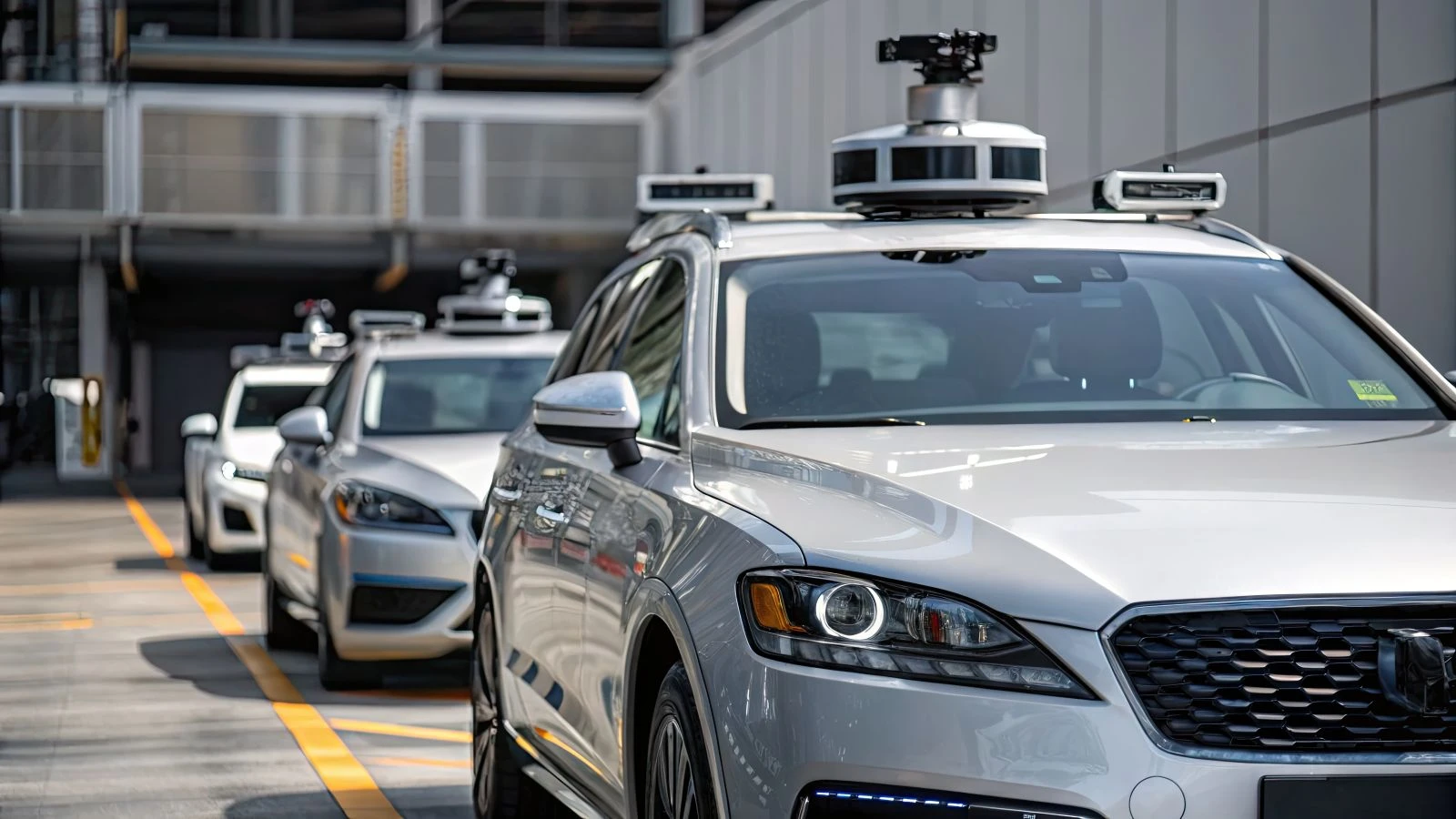
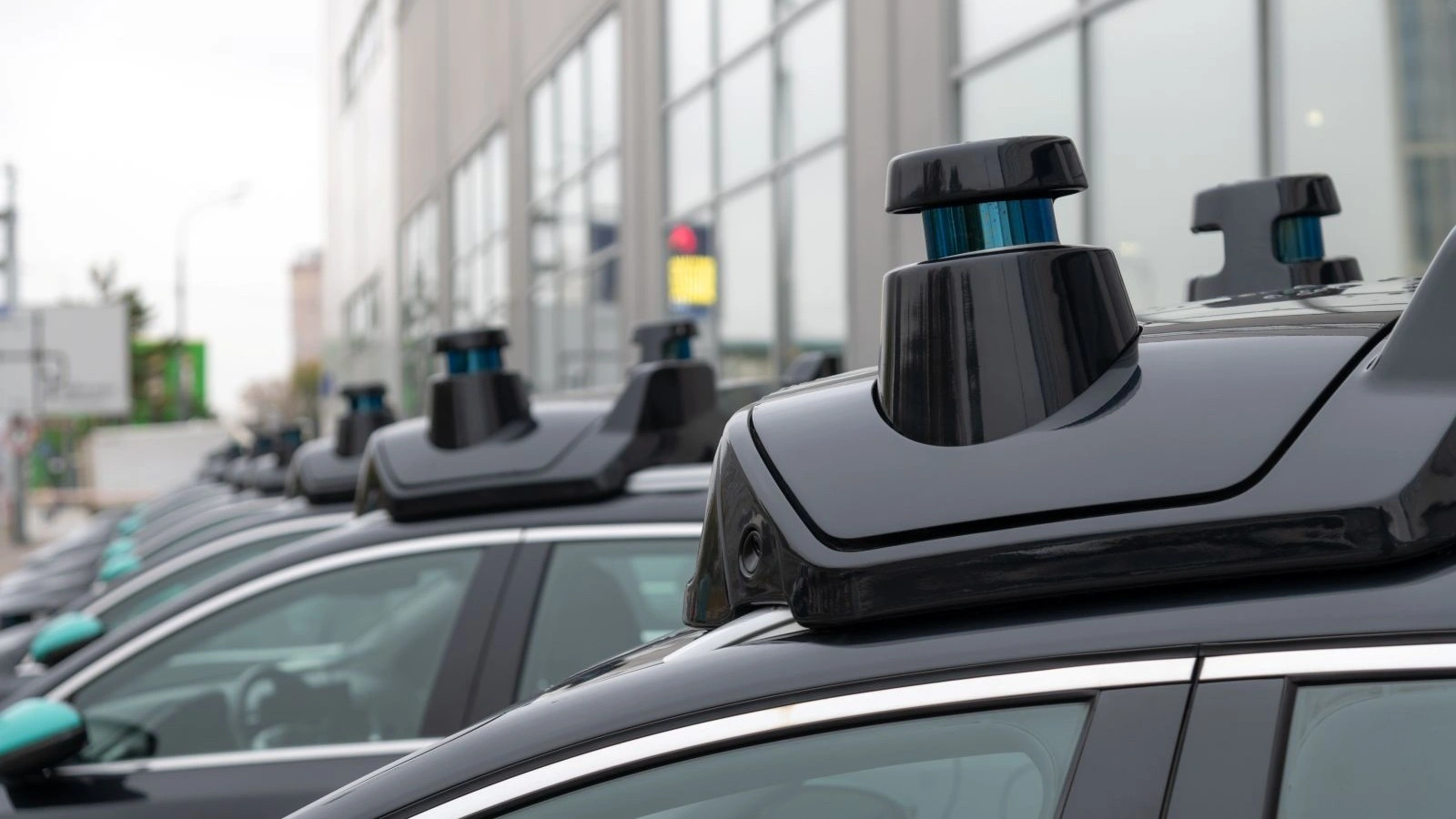
Once again, we see what has given many Illinois lawmakers and others pause before allowing autonomous vehicles or self-driving cars onto public roads.
Waymo launched its services in some Texas and Florida cities earlier this year. Already, some Waymo vehicles have driven into heavily flooded streets. It seems technology doesn’t always identify this predictable hazard in a region where flash floods are common. Apparently, the automation didn’t get Texas’ public safety message “Turn Around Don’t Drown.”
It’s no wonder many local leaders have taken a measured approach. Chicago is one of the most complex driving ecosystems in the country. From sudden weather shifts and icy roads to dense traffic, construction detours and unpredictable pedestrian behavior, the city requires constant judgment and adaptability. These are conditions where even experienced human drivers must stay alert.
Supporters of rapid deployment often frame caution as resistance to innovation. But that caution is warranted when there have been instances of Waymo vehicles driving past school buses with flashing lights and safety devices deployed for loading and unloading children.
Many autonomous vehicles rely on remote human assistance when encountering uncertainty. Companies have been reluctant to disclose how often this happens, leaving the public without a clear understanding of how independent these systems truly are.
Illinois lawmakers are right to ask those questions before moving forward. What standards of safety must be met? How will failures be handled? And who ultimately bears responsibility when something goes wrong?
Another unanswered question: “What is the rush to deploy these vehicles before they are proven to be safe with third-party independent verification?” The answer: Competing companies are rushing to market, believing that these vehicles will be a billion-dollar business for those who get there first with the technology.
Autonomous vehicle technology may one day deliver meaningful benefits. But it has not yet demonstrated that it can safely handle the full range of real-world conditions, especially in cities like Chicago. Until it does, taking a deliberate, evidence-based approach is not just prudent — it is necessary.
For now, incidents in other cities serve as a clear reminder: Progress should not come at the expense of public safety, and the Illinois Legislature should proceed with caution before allowing self-driving cars on city streets.
— Amy Witherite, traffic safety attorney and founder, Witherite Law Group
Originally published in the Chicago Sun-Times.