-p-500.png)
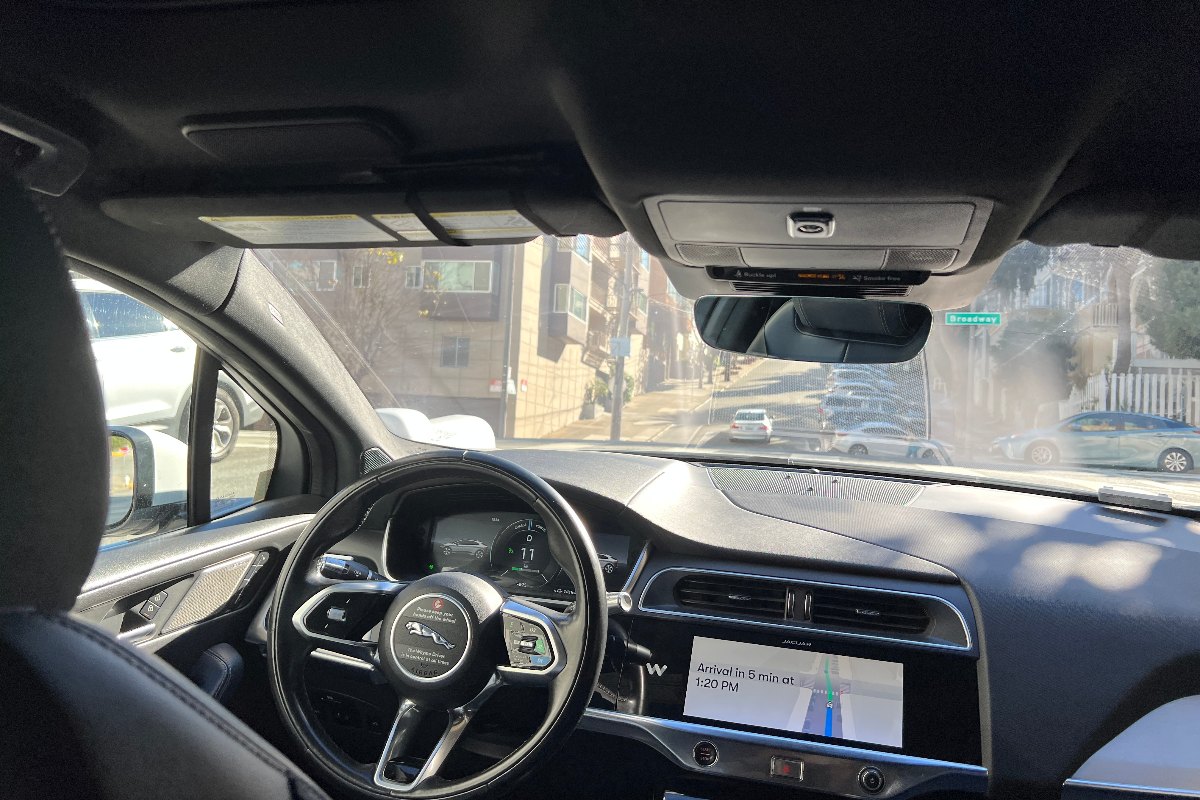
As self-driving vehicles hit the roads in places like Dallas, Fort Worth, Atlanta, and Chicago, a lot of people are wondering the same thing:
If I’m in a wreck with one of these vehicles, how will it affect my insurance?
Whether you were driving your own car or riding in an autonomous Uber, a crash involving a self-driving vehicle opens up a world of legal and insurance complications. And while the technology keeps advancing, the rules around who pays, and how much, haven’t caught up.
If you’ve been injured in a crash involving a self-driving vehicle, a self-driving car wreck lawyer can help you understand what’s really at stake, including the possible impact on your insurance. Let’s break down some of the considerations.
Why Self-Driving Vehicle Accidents Are So Different
When a traditional car wreck happens, liability is often tied to a driver making a clear mistake: speeding, running a red light, following too closely. But with autonomous vehicles, it’s not that simple, even when a self-driving car rear-ends you.
- Was the car in autonomous mode or being manually driven at the time of the crash?
- Did the crash happen because of a software or GPS mapping error, mechanical failure, or poor judgment by a backup driver?
- Who owns the car—an individual, a tech company, or a rideshare service like Uber?
Each of these questions creates more uncertainty. And uncertainty in liability means uncertainty in insurance—and that can hit your wallet.
Could Your Insurance Premiums Go Up After a Self-Driving Car Accident?
The short answer? Yes, but it depends on several factors.
1. Advanced Technology Means Higher Repair Costs: Self-driving vehicles are loaded with expensive cameras, sensors, and computer systems. Even minor fender benders can cost thousands to fix. That raises the cost of claims—and potentially premiums.
2. Blurry Liability = More Finger Pointing: Insurance companies may not know who to hold responsible, so they spend more time (and money) sorting it out. Those higher admin costs can get passed on to consumers.
3. Insurers Don’t Have Enough Data Yet: The insurance industry works on risk prediction. Because autonomous vehicles are still new, insurers don’t have enough crash data to price risk accurately. Until they do, you could see your rates fluctuate.
What Waymo Means for Your Insurance Rates
In Atlanta, Uber is using Waymo’s driverless vehicles on real passenger rides. And in 2026, Waymo will launch the same fully autonomous tech in Dallas.
But here’s the problem: insurance companies haven’t caught up.
When a crash involves a self-driving car, no one wants to take the blame: not the tech company, not the rideshare app, and not the insurers. That confusion can end up hitting your wallet in the form of higher premiums, even if you didn’t cause the wreck.
At Witherite Law Group, we fight to protect your claim, your record, and your future rates. You shouldn’t pay for a crash caused by a robot—or the billion-dollar company behind it.
Local Laws Can Also Affect What You Pay
If you live in Dallas, Fort Worth, Atlanta, or Chicago, the rules around insurance and self-driving cars vary by state. That means your case—and your future premiums—may depend on local regulations.
Texas: Operators of autonomous vehicles are required to accept liability when the tech is in control—but insurance companies may still look for ways to delay or deny.
Georgia: Georgia laws are still evolving, and insurance companies may take advantage of that legal gray area.
Illinois: Regulations are more limited, and liability could fall on various parties—including the person who owns the vehicle, even if they weren’t driving.
That’s why it’s critical to have a lawyer who understands the laws in your city and your state.
Call Witherite Law Group, We’re Built for Complex Cases Like Yours
If you’ve been hurt in a crash involving a self-driving vehicle, you’re not just dealing with an accident, you’re facing layers of legal and insurance complexity that most people simply aren’t prepared for.
You need a team that knows how to break down the systems, expose the negligence, and fight for every dollar you’re owed. At Witherite Law Group, we’ve built a system that does exactly that:
- Our Rapid Response Team (RRT) moves fast to secure black box data, crash scene evidence, and camera footage before it disappears.
- Our CRASH Media team turns complex technical data into clear, powerful visual evidence to support your case.
- Our Digging for Dirt unit investigates every party involved, from tech developers to corporate insurers, uncovering the patterns that others miss.
- Our in-house medical team makes sure your injuries are fully documented and treated, even if you don’t have health insurance.
Together, these specialized programs allow our self-driving car wreck lawyers to build stronger cases, move faster, and fight harder. Call Witherite Law Group now for a free consultation.
.webp)
