-p-500.png)
You were injured in a crash involving a self-driving Uber. But who’s actually responsible for what happened?
And that’s where things get messy.
Self-driving vehicle accidents, especially involving companies like Uber, aren’t just hard. They’re layered with complexity: multiple companies, high-powered insurers, evolving technology, and legal gray areas that most people (and even most lawyers) aren’t prepared for. But we are.
We’ve built our firm to take on complex cases like this, including wrongful death claims after self-driving crashes. We understand how these wrecks happen, how to uncover what went wrong, and how to hold the right parties accountable—even when they’re hiding behind layers of liability.
Let’s break down why these cases are so difficult, and why that doesn’t stop us.
Why Self-Driving Uber Crashes Are So Legally Complex
Most people think of car accidents in simple terms: one driver made a mistake and caused the wreck. But in a self-driving Uber crash, the chain of responsibility can stretch across several companies and systems.
Here’s what’s typically involved:
1. Uber (the Rideshare Company): Was the self-driving technology being tested or operated by Uber? Did they properly monitor the safety systems? What protocols were in place—and did they fail to follow them?
2. The Autonomous Vehicle Manufacturer: Uber doesn’t build the cars—it partners with manufacturers. If the vehicle malfunctioned mechanically, the company that designed or built it may be at fault.
3. Software Developers: Self-driving systems rely on software that makes split-second decisions. If the car made a wrong move, who wrote the code that led to that decision? Who tested it?
4. Hardware and Parts Suppliers: Self-driving vehicles include cameras, sensors, LIDAR, brakes, tires, processors—and any one of them could be the failure point. Each might come from a different third-party supplier.
5. Multiple Insurance Companies: Uber’s insurance, the manufacturer’s insurance, the tech developer’s insurance, and even your own insurer might all be involved. And they all want one thing: to pay as little as possible.
6. Local and Federal Regulations: The laws around self-driving technology are constantly changing and vary by state. Texas, Georgia, and Illinois all treat liability, data, and operator responsibility differently.
In short: this isn’t a case for just any lawyer. It’s a puzzle with a hundred moving parts.
Real-World Example: Who’s Behind the Wheel of a Self-Driving Uber?
You’re hit by a self-driving Uber in Atlanta. It seems like Uber would be the company to hold accountable, but is that the whole story?
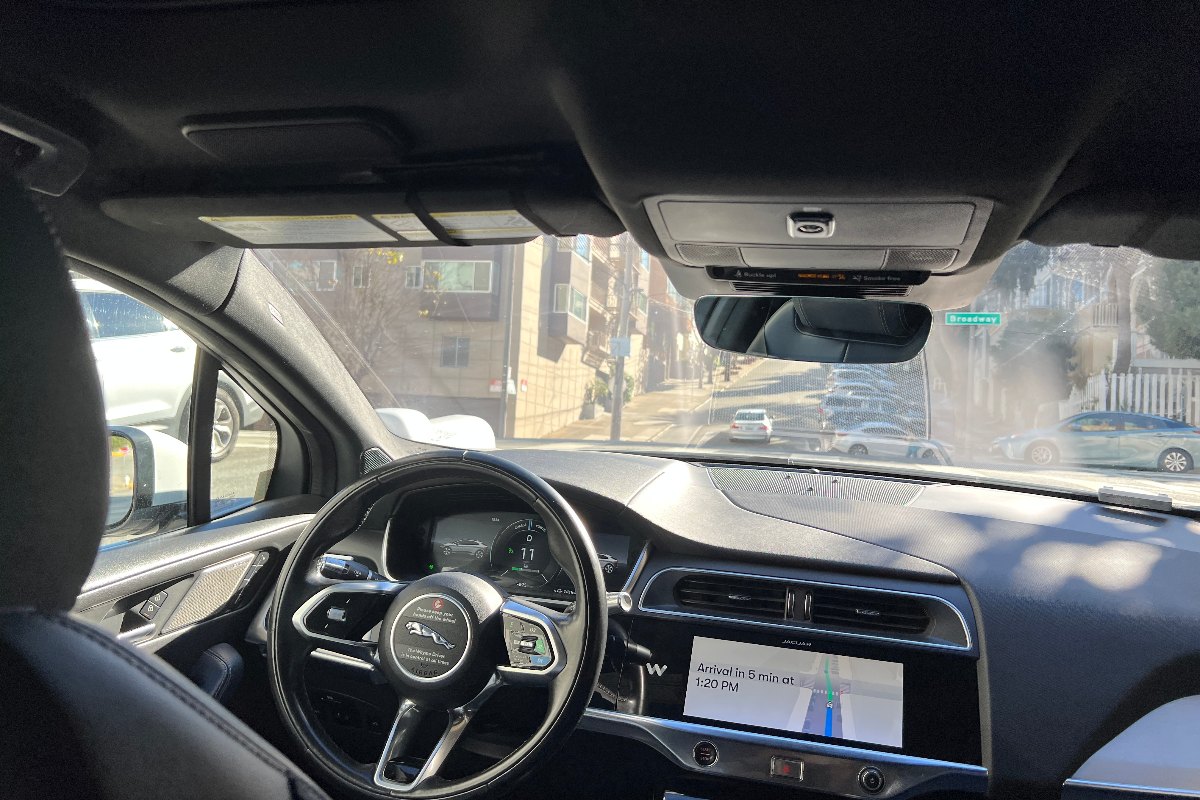
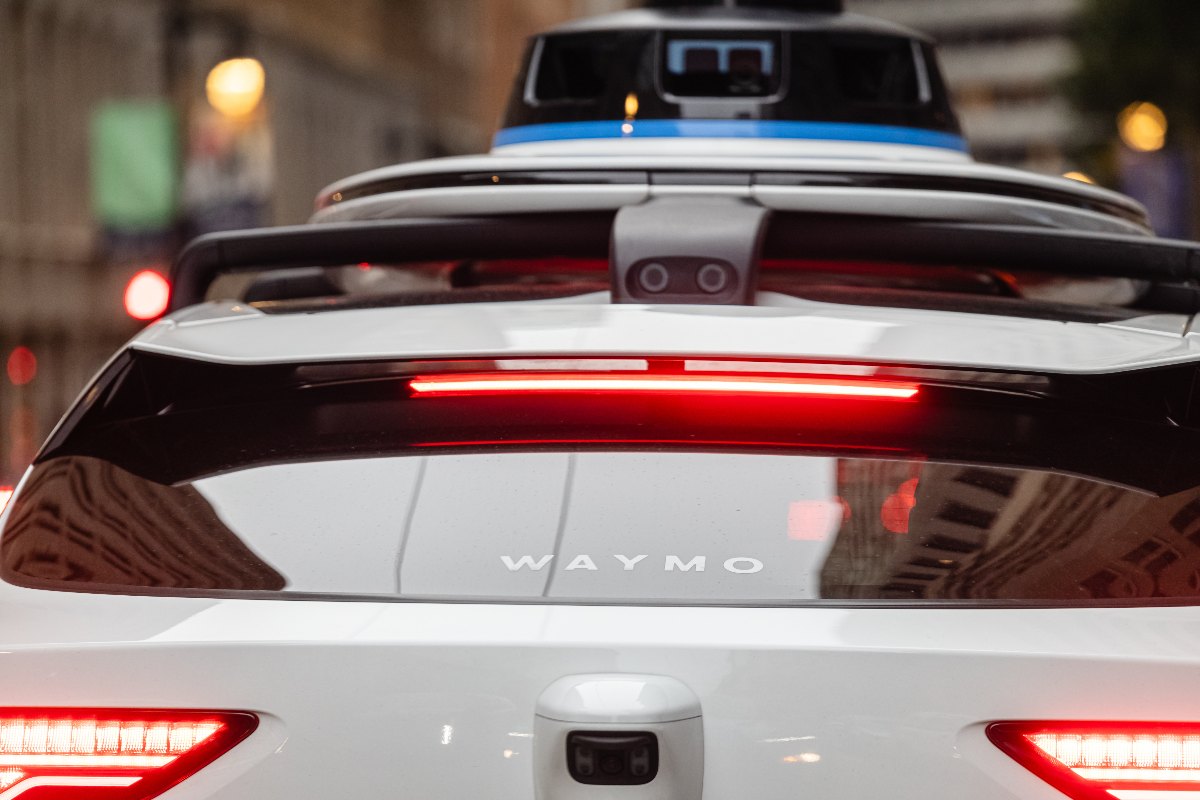
- The car might be a Jaguar I-PACE, operated by Waymo, not Uber.
- The self-driving tech? That’s Waymo’s system — Waymo is owned by Google’s parent company, Alphabet.
- You booked the ride through the Uber app, but Uber doesn’t operate the car or control the tech.
- The vehicle’s actions are powered by Waymo’s software, sensors, and third-party systems — everything from cameras to braking AI.
So when that vehicle makes a wrong move, you’re dealing with a web of companies, not just one. These cases are complicated because liability can be split between Uber, Waymo, the vehicle maker, and tech vendors. And in 2026, Waymo’s expanding the same robotaxi tech to Dallas.
That’s why you need a legal team that understands more than just car wrecks. At Witherite Law Group, we dig into the details, track down every responsible party, and fight to make sure you’re not left paying for their mistakes.
Why Witherite Law Group’s Attorneys are More Than Ready
We’ve invested in the people, the technology, and the strategy to handle self-driving vehicle wrecks head-on. Here’s what sets us apart:
A Legal Team Trained for Technology Cases: Our self-driving car wreck lawyers understand how liability works across tech companies, vehicle manufacturers, and software developers. We don’t stop at the surface; we dig into the systems behind the systems.
CRASH Media Team: They take technical evidence—black box data, video, crash site photos—and turn it into clear, compelling visuals that show how the wreck happened. This helps make sense of complex evidence in a courtroom or negotiation.
Digging for Dirt Team: We research every party involved. From Uber’s internal testing policies to the vehicle’s defect history, to which tech partners were involved in building the system—we’ll uncover what they’re not saying.
Rapid Response Team (RRT): They get to work immediately after the crash to preserve digital and physical evidence. That includes retrieving onboard data before it's wiped, securing video, and identifying witnesses.
In-House Medical Team: Your injuries are just as important as the cause of the crash. Our medical professionals help document everything—so the insurance companies can’t downplay the damage or your recovery needs.
If You’re Hurt in a Self-Driving Uber Accident, Call the Firm That’s Ready
The companies involved in your wreck have legal departments, crisis response teams, and PR strategies working from day one. You need someone fighting just as hard for you.
At Witherite Law Group, we handle the legal, the technical, and the medical—so you can focus on healing.
We serve clients in Dallas, Fort Worth, Atlanta, and Chicago. Call Witherite Law Group now for a free consultation. Your case is complicated. Your pain is real. And your future matters. Let’s get to work.