-p-500.png)
Self-Driving Car Companies Must Prove the Vehicles Will Not Obstruct First Responders
This opinion piece by Amy Witherite was originally published in the San Antonio Express-News on September 25, 2026.
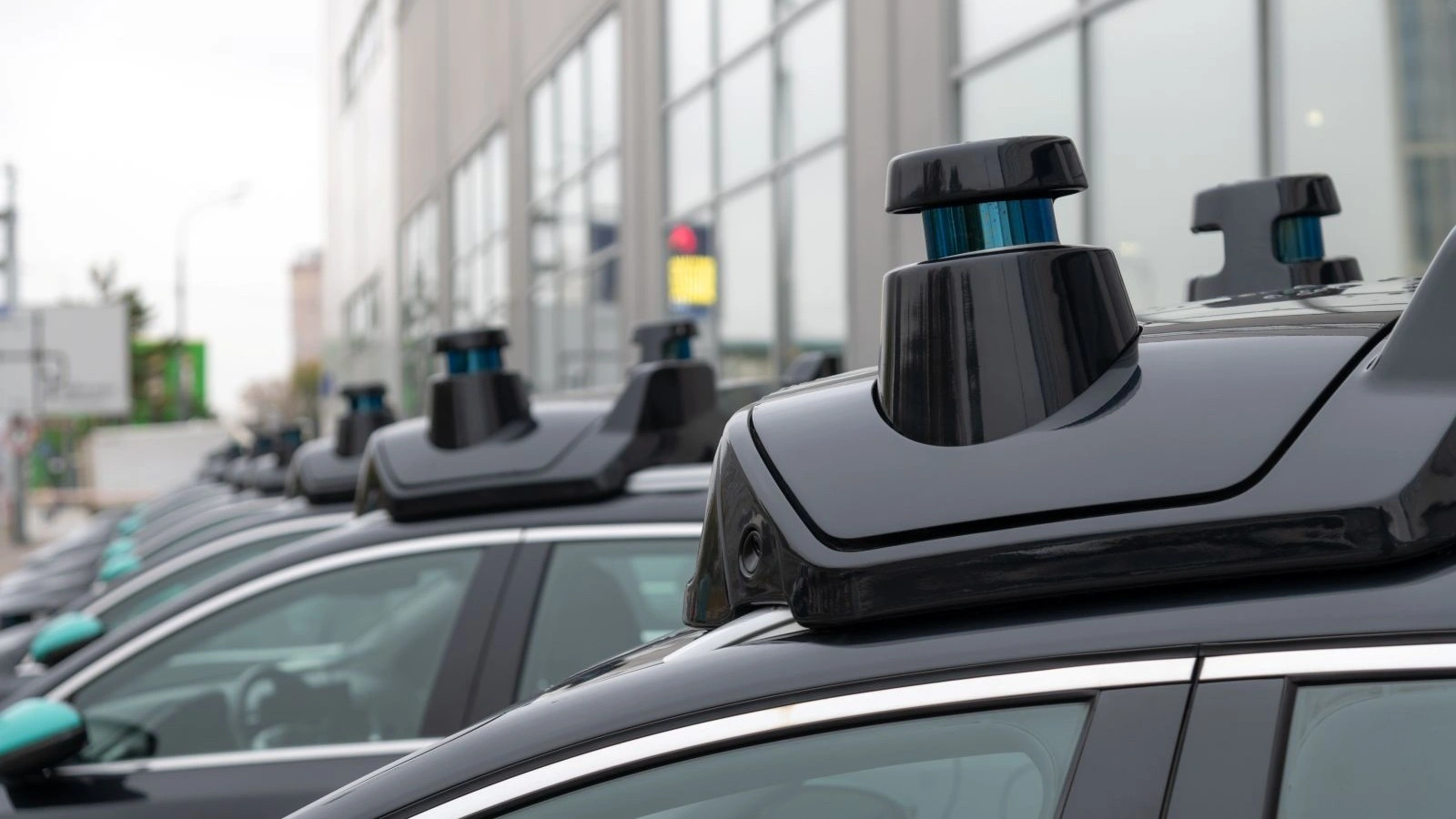
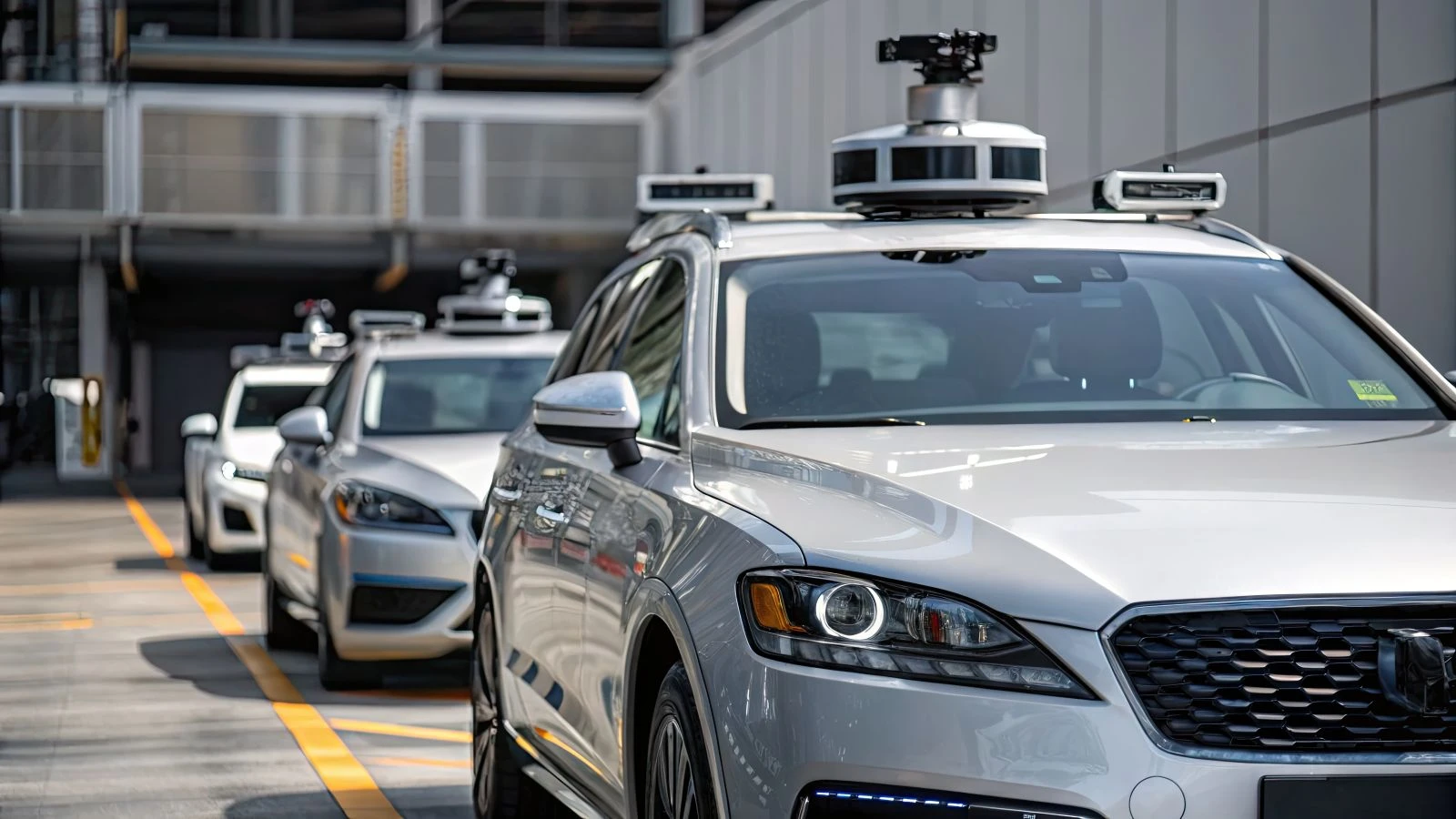
San Antonio police responded to at least 50 incidents involving Waymo vehicles during the 10 months before April, when passenger service was suspended.
The most important question raised by those records is not whether every call was the fault of autonomous technology; it is whether driverless vehicles can be trusted to stay out of the way when police officers, firefighters and paramedics need immediate access.
The records show 24 calls involving Waymos stopped in intersections, streets and driveways or on shoulders. Nine required some intervention by officers, dispatchers or Waymo staff.
In one case, two officers helped move a disabled vehicle from an Interstate 35 frontage road. Other vehicles became stranded in high water, creating situations in which officers had to contact support, arrange towing or help move them to safety.
Waymo correctly notes that a police record mentioning one of its vehicles does not prove the vehicle caused the incident. It is also important that police records show that no one was injured by a Waymo operating autonomously in San Antonio.
Those qualifications matter, but they do not erase the burden placed on public safety personnel when a driverless car stops where it should not or cannot quickly respond to human direction.
Other Texas cities show how serious that burden can become.
In Austin, a Waymo blocked an ambulance responding to a mass shooting. Austin officials later described several Waymos stacking up in an ambulance corridor and another vehicle stuck over a fire hose for hours.
In Dallas, body-camera video showed a deputy constable entering and moving a driverless Waymo that was obstructing fire equipment responding to a deadly apartment explosion.
The federal government now recognizes a national problem.
In July, the National Highway Traffic Safety Administration said it had identified a clear pattern of driverless vehicles entering emergency scenes, blocking ambulances and firefighters, or failing to respond to flashing lights, flares, smoke, fire and traffic cones. The agency’s conclusion was direct: An automated vehicle that cannot safely interact with first responders is a danger to the public.
That warning is especially timely for San Antonio. Waymo has resumed autonomous testing, although passenger service remains limited.
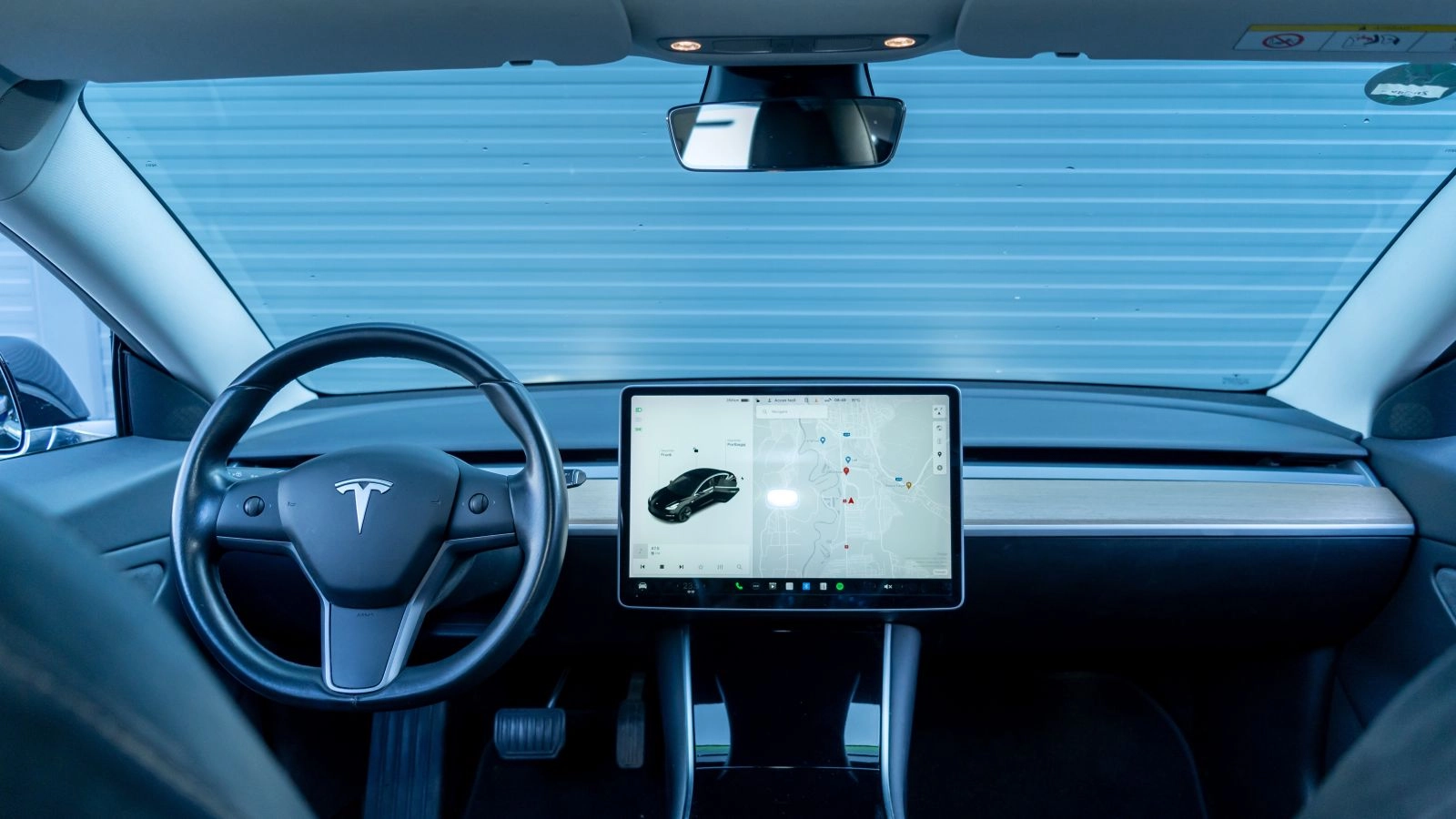
Meanwhile, the City Council approved a Tesla robotaxi parking and dispatch site near the airport. Tesla has not announced a local launch date, but expansion is clearly moving closer. More companies using different technologies will make consistent emergency rules even more important.
Before any vehicle operates without a driver, it should independently demonstrate that it can recognize and yield to emergency vehicles, obey officers directing traffic, navigate dark signals and road closures, avoid fire hoses and honor an emergency geofence within minutes of notification.
Police and firefighters also need a standardized way to stop or move a disabled vehicle and reach a company representative immediately. Every incident requiring first-responder intervention should be reported publicly and reviewed.
First responders should not be expected to know six different emergency procedures for six different autonomous-vehicle systems while lives are at risk.
Nor should cities have responsibility for emergency response without meaningful authority to require these safeguards.
Innovation can improve road safety, but emergency reliability must be proven before deployment, not discovered through trial and error on public streets.
When an ambulance or fire engine is approaching, there is no time for a software experiment. Test it before you deploy it.
Amy Witherite is a Texas attorney, longtime traffic-safety advocate and founder of Witherite Law Group, which represents individuals and families injured in motor vehicle crashes.