-p-500.png)
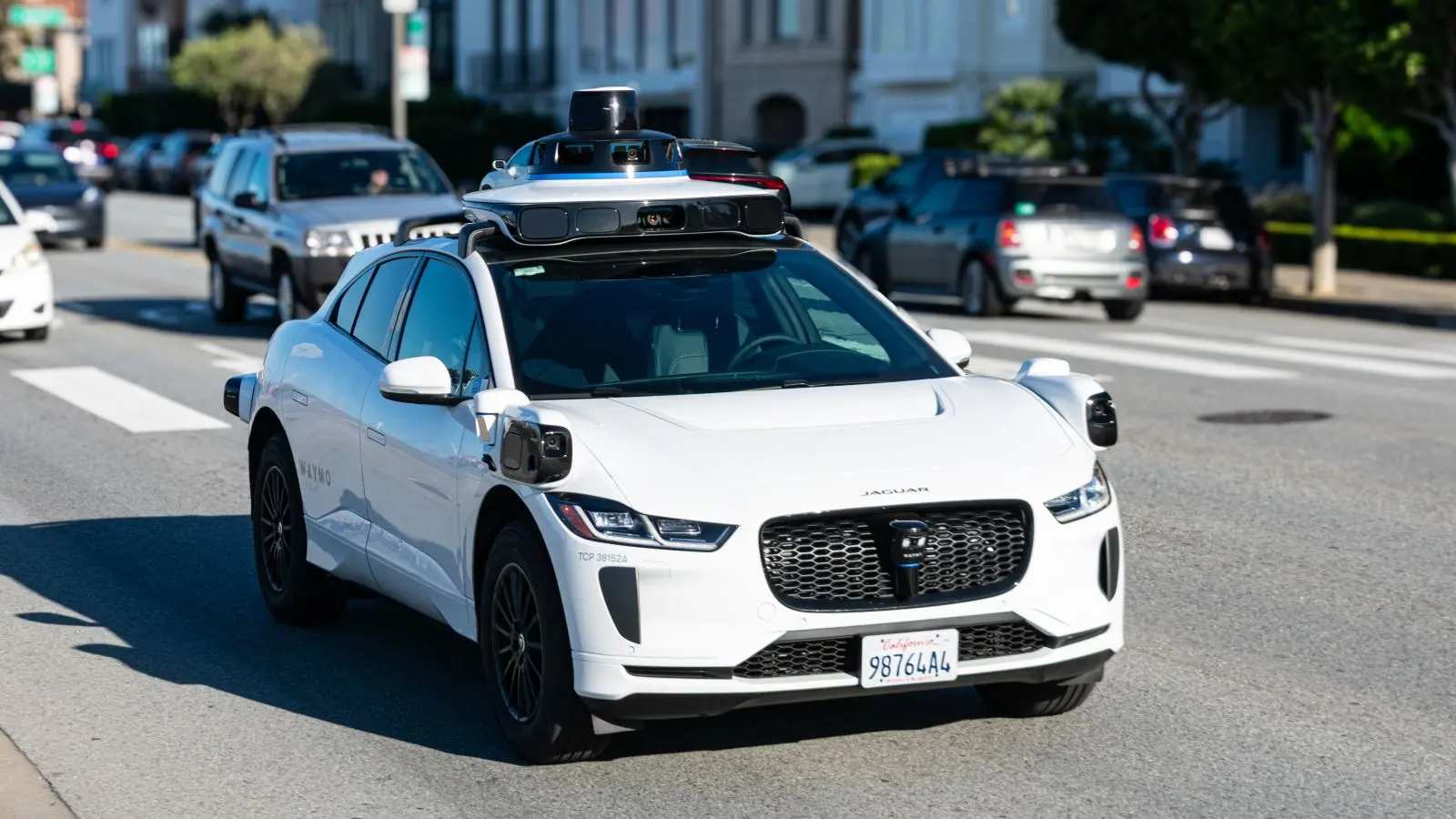
Dallas didn't volunteer to be Waymo's test track.
This op-ed by Amy Witherite was originally published in the Dallas Morning News on May 27, 2026.
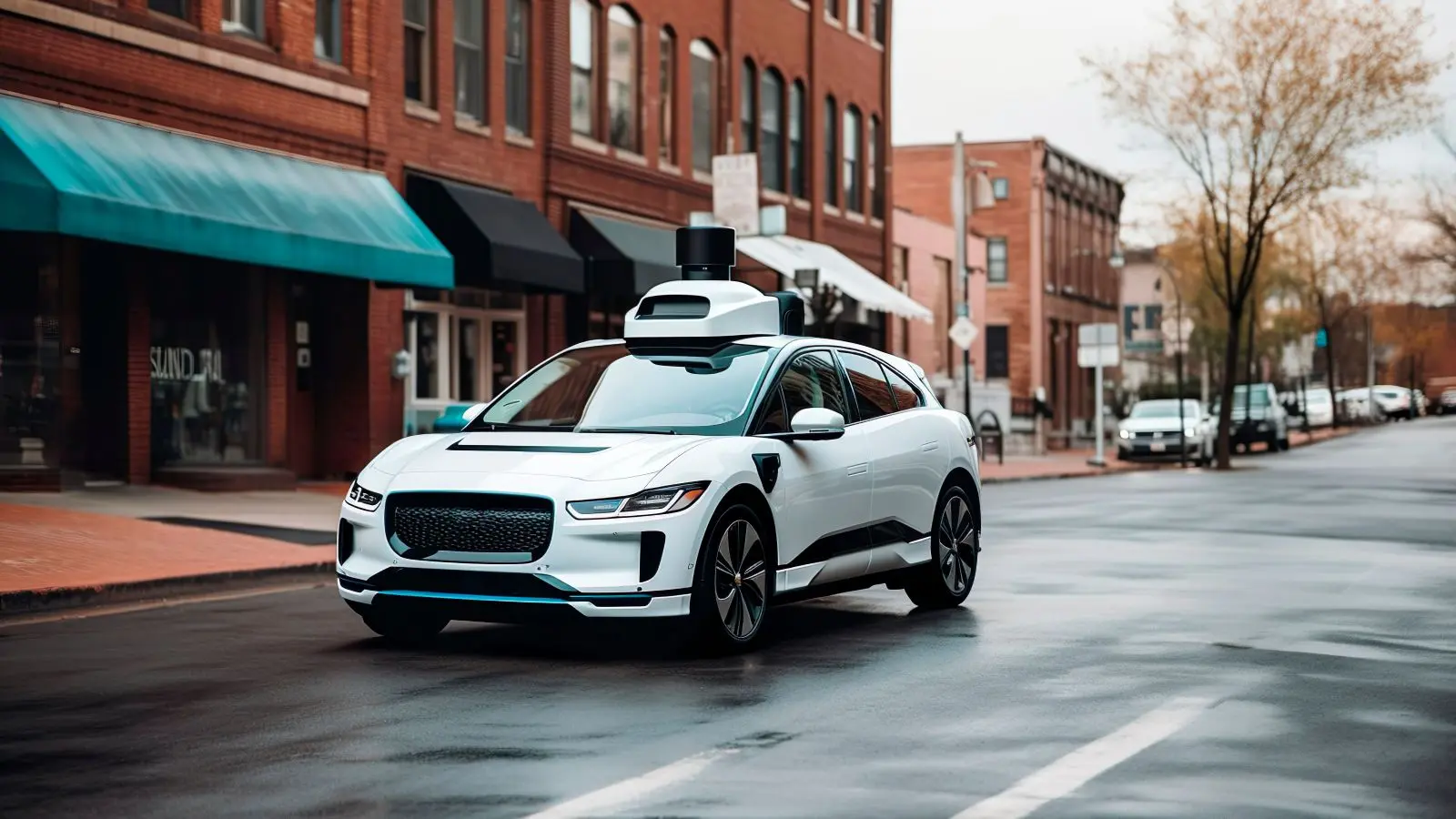
Recently on Irving Boulevard, a Waymo robotaxi ran a red light into moving traffic. The dashcam video went viral. Waymo’s explanation that the signal was “heavily dimmed” should alarm every Dallas driver. It means the car couldn't see or process the signals any responsible driver would.
That is a judgment call made by software that is not ready to be making it on our streets, the same software that last week forced Waymo to pause service in four cities Dallas, Houston, Atlanta and San Antonio because its robotaxis cannot safely navigate heavy rain and flooded roads.
When Waymo launched here, Mayor Eric Johnson declared it proof that Dallas is “one of America’s most innovative and dynamic cities.” City Manager Kimberly Bizor Tolbert promised the city would “prioritize safety.” Those were fine words. But what Dallas is experiencing is a live, uncontrolled field trial to see if the technology is safe.
The Irving Boulevard incident is not isolated. Dallas residents are already cataloguing a pattern of erratic behavior. In the Reform Dallas community group on Facebook, one neighbor recently described a single trip down Abrams Road in which a Waymo failed to yield to a fire truck, exceeded the speed limit and then crawled along at 20 miles per hour well outside school zone hours.
What we’re seeing here mirrors what’s happened everywhere Waymo has expanded. In Austin, police reported vehicles ignoring officers’ hand signals and driving around construction barricades. Austin ISD released a video of Waymo cars repeatedly passing school buses with stop arms extended. “One incident is too many,” said Austin Police Lt. Will White. By the time the National Transportation Safety Board opened a formal investigation, there had been 25. Both the National Highway Traffic Safety Administration and NTSB continue to actively investigate.
Austin’s experience goes further than erratic driving. During a mass shooting on West Sixth Street on March 1, multiple Waymo vehicles blocked the ambulance corridor firefighters had established, and despite hand signals, would not move. Ambulances were diverted. Austin’s public safety working group now recommends that autonomous vehicles be geofenced away from serious emergencies. Downtown Dallas is no quieter. Asking already-stretched officers and paramedics to manage confused robotaxis is a cost this city never agreed to pay.
And then there is San Antonio. On April 20, a Waymo robotaxi drove into a flooded roadway during heavy rain, was swept away, and had to be recovered from Salado Creek days later, the second such incident in two weeks. Waymo filed a voluntary recall covering 3,791 vehicles across its entire U.S. fleet.
That recall and software update clearly did not solve the problem. On Wednesday, a Waymo robotaxi drove into a flooded street in Atlanta, became stuck for about an hour, and had to be recovered. Waymo said the storm produced flooding so rapidly it outpaced National Weather Service warnings, which the company relies on to prepare its fleet. NHTSA said it is aware of the incident and “will take appropriate action if necessary.” Waymo also halted service in Dallas and Houston, citing severe weather across Texas. Meanwhile, North Texas regularly deals with flash floods where drainage systems are overwhelmed. If the software cannot handle Atlanta rain, it is not ready for a Texas storm.
The cars get confused. That is the throughline. Dimmed traffic signals. Flooded roads. Fire trucks. Police hand signals. School bus stop arms. These are not exotic scenarios; they are any day of the week in Dallas and other Texas cities.
New drugs go through clinical trials. New aircraft are tested exhaustively before carrying passengers. We do not ask the public to absorb the risk of unproven technology in the name of innovation. Waymo has simulators and the industry has closed test tracks. That is where these failures should be resolved, not on Dallas streets.
To be fair, Waymo points to data showing its vehicles are involved in roughly 11 times fewer serious injury crashes than human drivers, and it voluntarily filed a flood-related recall within 10 days of the San Antonio incident. Waymo would argue that self-correction is the system working as intended. Perhaps. But a software recall after the first flooding incident did not prevent an identical failure in Atlanta weeks later. “We fixed it after it happened” is not the same as “we proved it was safe before we deployed it.” When the same failure repeats across four cities, it is not self-correction. It is a pattern.
I am not opposed to autonomous vehicles. The promise is real: safer roads, mobility for seniors, transportation for those who cannot drive. But we are not there yet, and the cost of getting there should not be borne by Dallas residents.
Amy Witherite is a Dallas attorney and traffic safety advocate.