-p-500.png)
.webp)
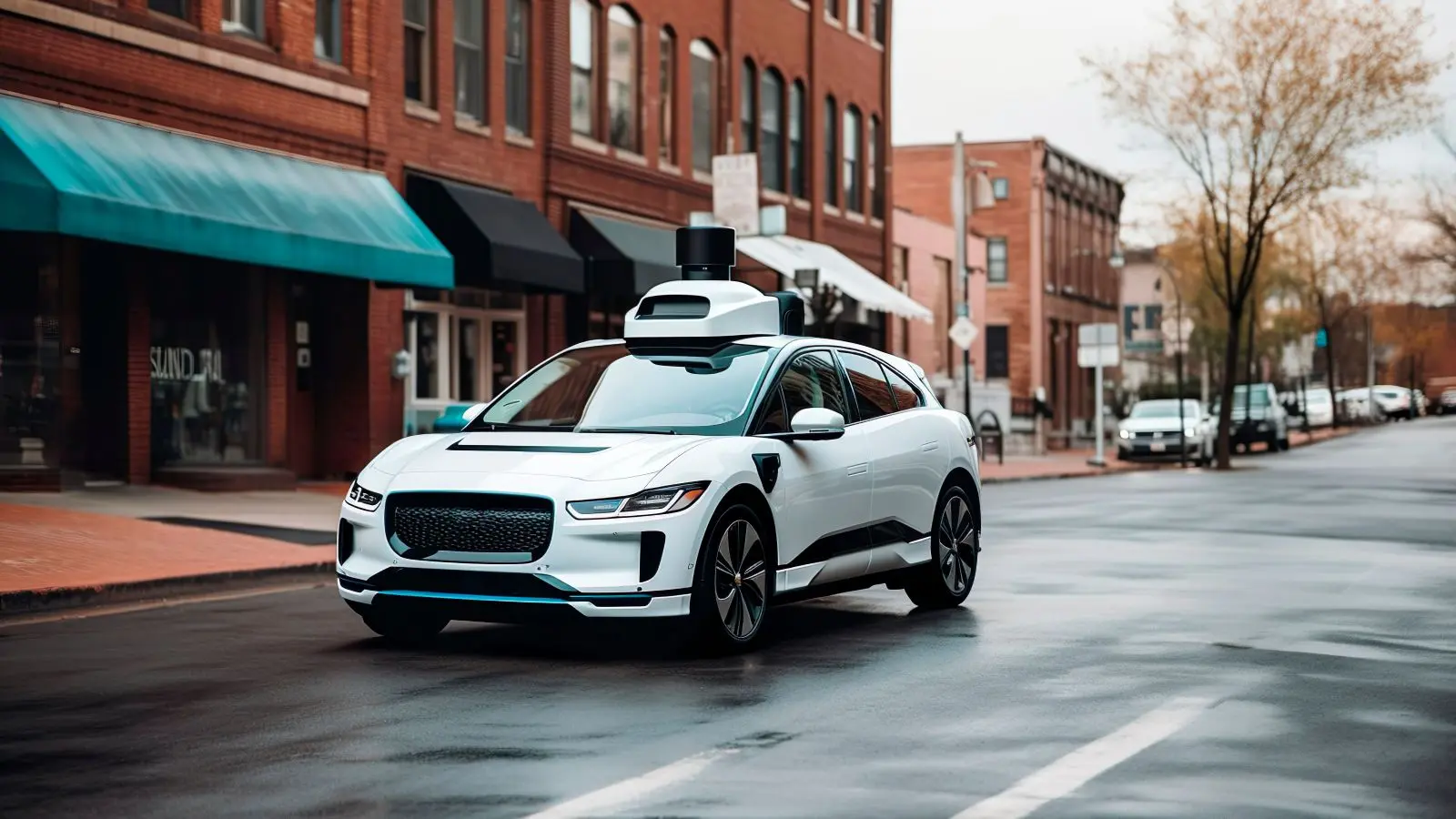
It should come as no surprise that, within days of beginning operations in Nashville, Waymo began experiencing operational problems.
We’ve seen this play out before. In cities across the country, autonomous vehicle rollouts have quickly been followed by real-world failures.
In San Antonio, a Waymo robotaxi drove the wrong way on a one-way street during morning drop-off at Cambridge Elementary.
In Austin, the National Transportation Safety Board is investigating another case of Waymo passing a stopped school bus — even after claims the issue was fixed.
And in Los Angeles, a Waymo vehicle drove the wrong way through a drive-thru.
I’ve spent my career representing people hurt by preventable crashes, and one lesson stands out: when convenience gets ahead of caution, the public pays the price.
Nashville is a uniquely challenging place in which to drive. It’s a fast-growing city with dense downtown traffic, constant construction, heavy rideshare use and unpredictable elements — like pedal taverns weaving alongside buses and delivery vehicles.
Those are exactly the areas where autonomous vehicles are still struggling.In the early days of operation, Waymo vehicles have hesitated mid-turn, stopped in intersections and paused for extended periods when confronted with unusual traffic patterns. These behaviors may sound minor, but in a busy urban environment they create real risks.
A recent Senate report, “Remote Backseat Operators: Revealing the Autonomous Vehicle Industry’s Reliance on Human Remote Assistance Operators,” found that autonomous vehicle companies, including Waymo, still rely heavily on human operators to step in when the technology cannot handle a situation — yet companies refuse to disclose how often that intervention is required.
That means these vehicles are not as autonomous as advertised, even as they are deployed on public roads.
Autonomous technology may one day improve safety. But “may” is not good enough for a city like Nashville.
Before expanding further, companies should be required to demonstrate that their vehicles can operate safely and predictably in complex urban environments — not most of the time, but all the time.
The bottom line is simple: Waymo should not be learning to drive in Nashville. Innovation should serve the public, not use it as a testing ground.
— Amy Witherite, traffic safety attorney Witherite Law Group
Originally published as a guest opinion in The Tennessean.