-p-500.png)
.webp)
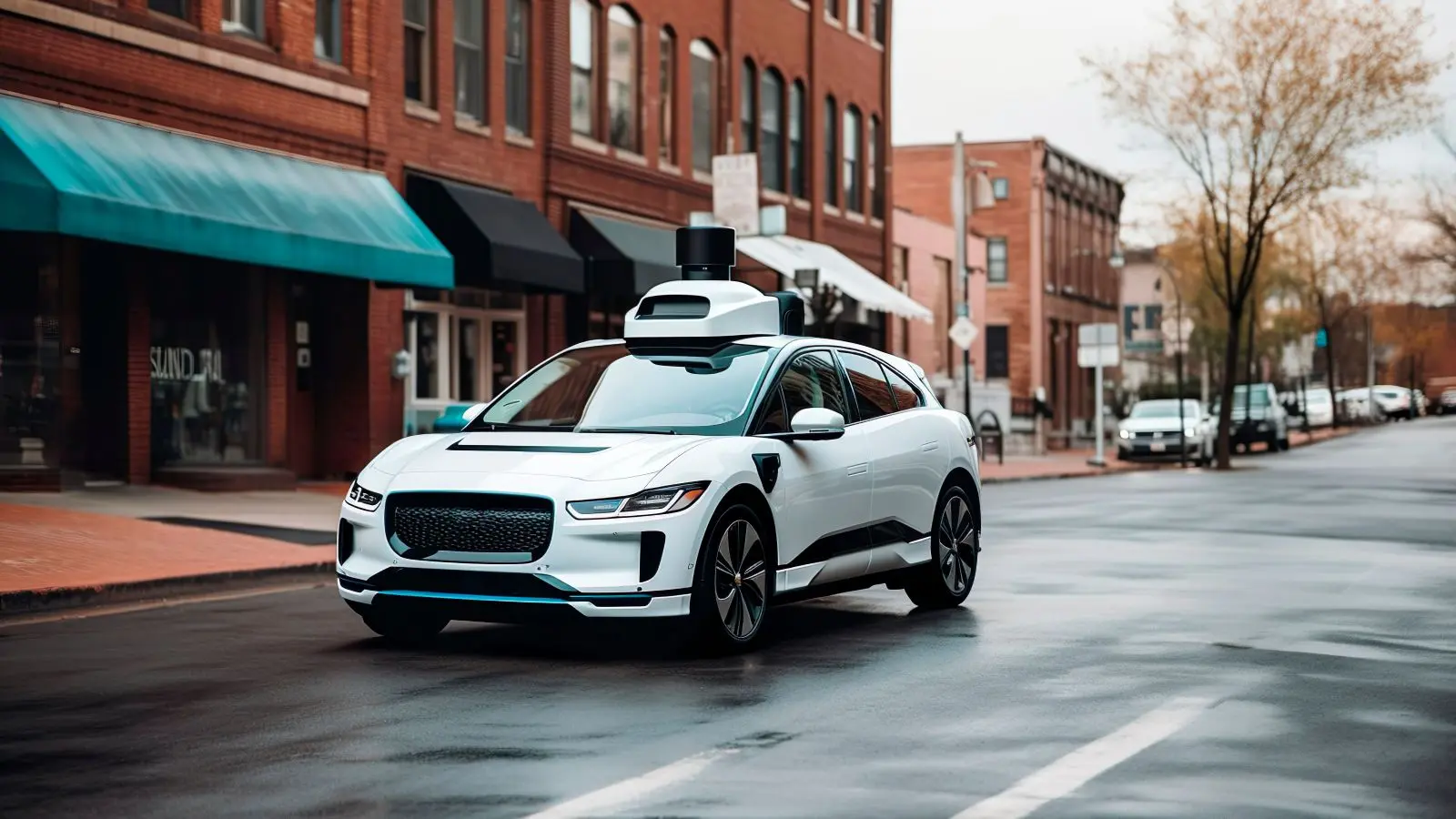
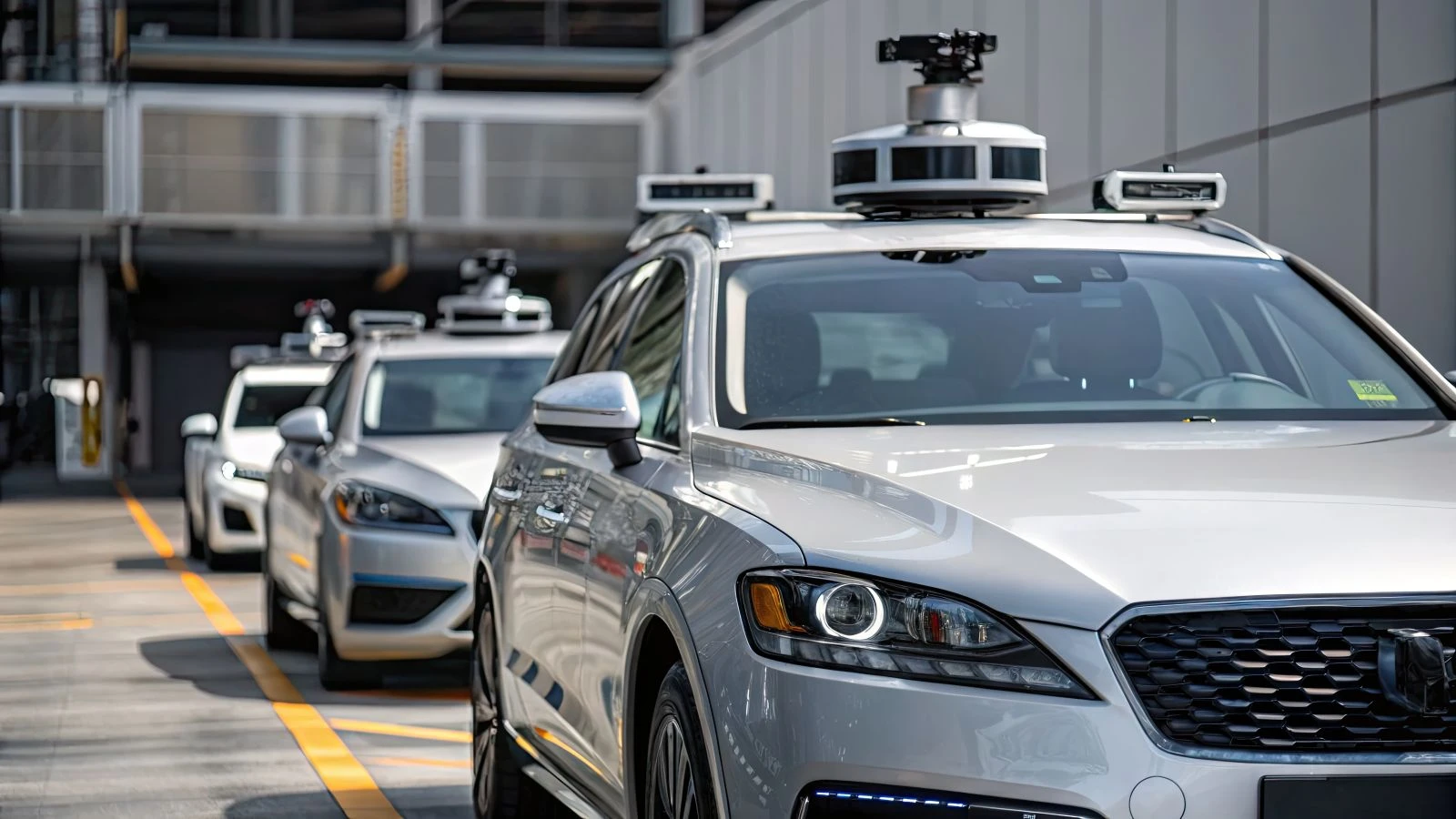
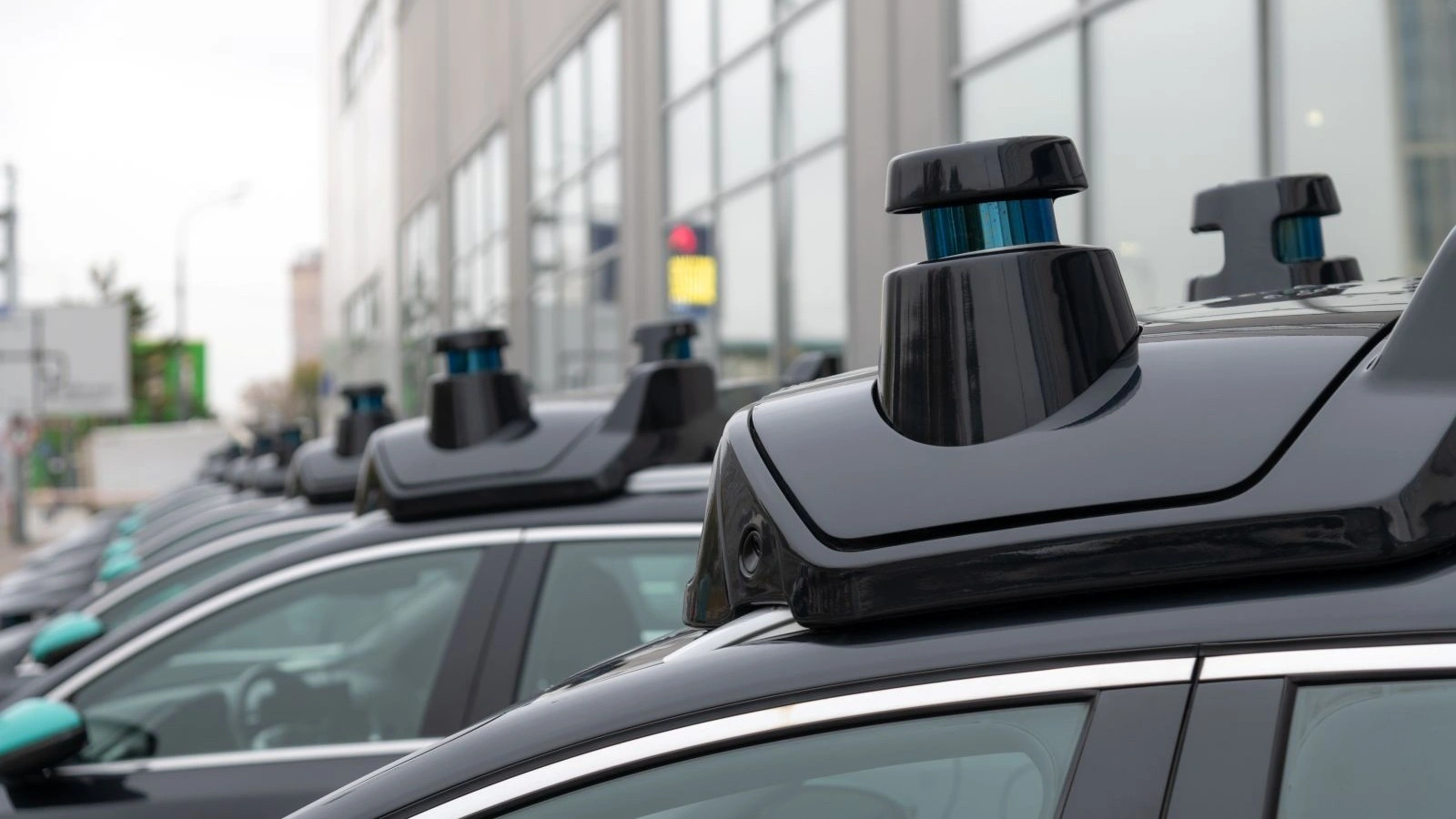
The recent reporting that Waymo is already mapping Chicago streets before lawmakers have even settled the question of whether autonomous vehicles belong here highlights why Illinois is right to proceed cautiously.
The question Illinois policymakers must answer is not whether this technology holds promise, but whether it is ready for our city streets.
Across the country, autonomous vehicles have been involved in incidents that raise serious concerns, including interfering with emergency responders and failing in complex traffic situations. Federal investigations into these patterns reinforce that the technology is still evolving and not yet proven safe.
Chicago presents one of the most challenging driving environments in the nation. Winter weather, heavy congestion, construction zones, pedestrians, cyclists and emergency vehicles all interact in unpredictable ways. Even experienced human drivers struggle under these conditions. As a traffic safety attorney, I have seen the consequences when safety is treated as secondary to speed.
That is why the legislative debate in Springfield matters. A proposed path to broader deployment assumes a level of readiness that has not been demonstrated in real-world conditions. Legislators should demand independent safety data, not industry assurances, before opening Chicago’s streets to widespread autonomous vehicle deployment.
Public roads should not serve as testing grounds for developing technology. There are safer, more controlled ways to refine these systems before introducing them into dense urban environments.
Illinois has an opportunity to lead not by rushing adoption, but by insisting on accountability, transparency and proven safety first. The people of Chicago deserve nothing less.
Caution here is not resistance to innovation. It is common sense.
— Amy Witherite, traffic safety expert, Witherite Law Group, Chicago
Originally published in the Chicago Tribune.